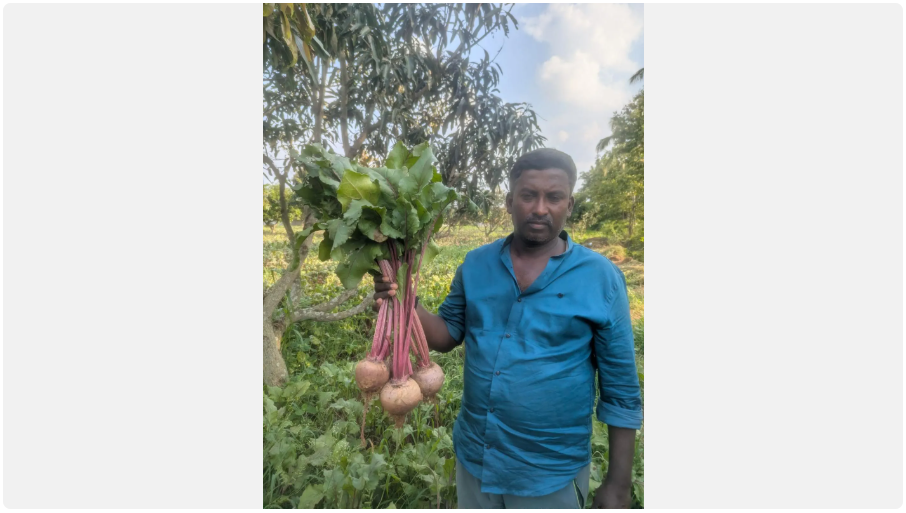
The release of genome-edited rice marks a policy and scientific shift, positioning India to lead biotech-driven farming amid climate, resource, and food security challenges
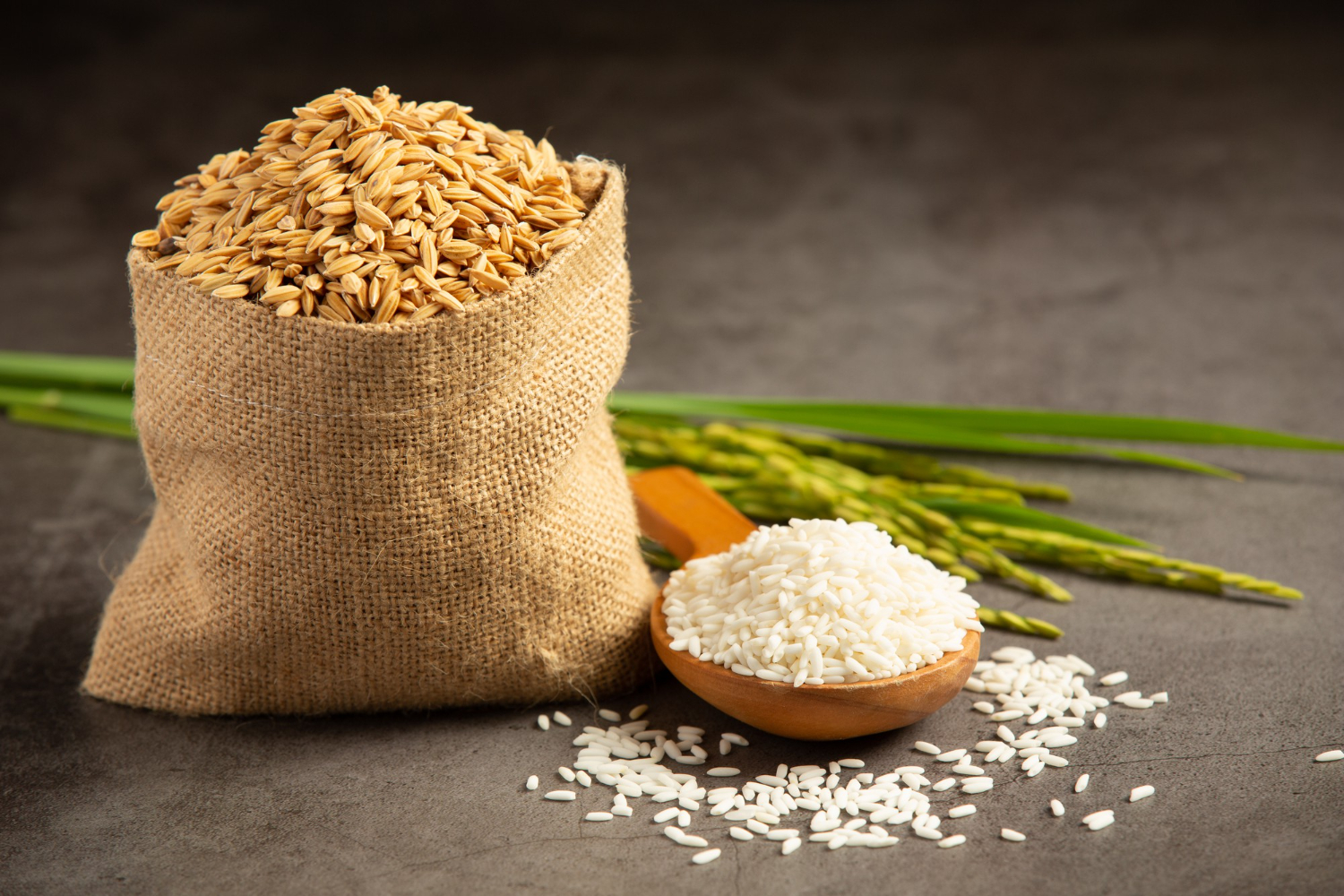
This milestone is being celebrated by scientists and farmers alike as India’s first major success in precision breeding using genome editing.
In a landmark scientific breakthrough in agriculture, the Government of India has officially released the world’s first two genome-edited rice varieties developed using the CRISPR-Cas9 technique, which marks a transformative step in its policy on agricultural biotechnology. The two rice varieties — DRR Dhan 100 (Kamla), developed by ICAR–Indian Institute of Rice Research (IIRR), Hyderabad, and Pusa Rice DST 1, by the ICAR–Indian Agricultural Research Institute (IARI), New Delhi — represent India’s first genome-edited crops to receive public approval.
This milestone is being celebrated by scientists and farmers alike as India’s first major success in precision breeding using genome editing. It is particularly significant considering India’s historically cautious approach to genetically modified (GM) crops. Since the release of Bt cotton in 2002, agricultural biotechnology has faced multiple hurdles, including a moratorium on Bt brinjal in 2010, delays in approving GM mustard, and stalled next-generation Bt/HT cotton technologies. These were compounded by policy bottlenecks such as the requirement for state-level NOCs for field trials, high testing costs, and a non-functional Event-Based Approval Mechanism (EABM). Adding to the challenges is the decade-long enforcement of the Cotton Seeds Price (Control) Order, 2015, which mandates a fixed maximum retail price (MRP) for Bt cotton seeds and further discouraged private investment and biotech-based innovation in the sector. Against this backdrop, the approval of genome-edited rice marks a strategic and science-backed policy shift aligned with global best practices.
How is Genome Editing Different from Genetic Modification?
Unlike genetically modified organisms (GMOs), the new rice lines contain no foreign DNA. Instead, scientists used the CRISPR-Cas9 system under the SDN-1 approach to make precise changes in native genes, enabling traits such as higher yield and drought and salinity tolerance without the regulatory complications of genetic modification or transgenics. Although transgenes were used in the development phase, the final products are free from foreign DNA. This development underscores the rising importance of CRISPR-based precision breeding in modern agriculture. Genome editing, particularly through the SDN-1 and SDN-2 pathways, allows for targeted, predictable changes in an organism’s DNA without introducing any foreign genetic material — a key distinction that has opened doors to regulatory flexibility and public acceptance.
Source : businessstandard