India became the pharmacy of the world by supplying affordable medicines to more than 200 countries, dominating the global market for generic drugs and producing a large share of the world’s vaccines. This success rests on an assumption so basic that it is rarely discussed. Indian firms have shown that drug formulations can be made, stored and transported under tightly controlled conditions without fail. But as climate change turns heatwaves, floods and extreme rainfall more frequent, this assumption is becoming harder to sustain.
The risks extend far beyond damaged buildings or delayed deliveries. They strike at the reliability on which India’s pharmaceutical industry has built its reputation. It also comes at an uncomfortable time. Indian drugmakers are under greater scrutiny from overseas regulators over quality and compliance, while US tariffs pose another threat.
Climate change adds another layer of operational risk. While it may not cause an immediate crisis for the sector, it threatens to make an already complex manufacturing business more vulnerable to disruptions that will get more frequent and less predictable.
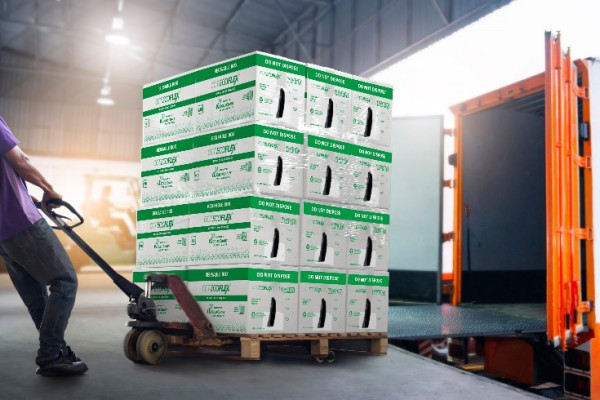
Modern drug manufacturing depends on far more than skilled workers and sophisticated equipment. Factories require uninterrupted electricity, large volumes of purified water, stable temperatures, reliable transport and carefully controlled storage conditions. The standards that govern pharma production leave little room for error because even minor deviations can affect product quality and safety. Recognizing these needs, the government’s Bulk Drug Parks scheme includes common infrastructure such as dedicated power systems, water supply, cooling networks, warehouses, stormwater drainage and advanced testing facilities aimed at manufacturing resilience.
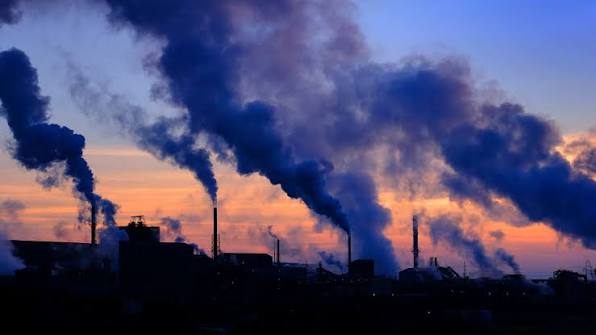
Climate change threatens each of these foundations. India is seeing longer and more intense heatwaves, heavier downpours and more frequent flooding, trends that are expected to worsen as temperatures rise.
Heatwaves increase cooling requirements for factories and warehouses, while placing greater strain on electricity supply. Water scarcity can disrupt production in an industry where it is essential throughout the manufacturing process. Floods can cut off industrial clusters, delay shipments of active pharma ingredients and finished medicines, and interrupt exports. Even short disruptions can ripple through highly regulated supply chains where production schedules, testing and delivery timelines are tightly linked. A delayed shipment of raw materials or a prolonged power outage could put customers and healthcare systems in trouble.
The industry’s geography increases its exposure. Major pharma clusters are concentrated in Gujarat, Andhra Pradesh, Maharashtra, Telangana, Tamil Nadu and Himachal Pradesh. These states are already seeing rising heat stress, erratic rainfall, floods or water shortages. The industrial ecosystems that helped India become a pharmaceutical leader now face growing climate pressures.
The challenge will become greater as the industry shifts towards higher-value products. Vaccines, biologics and many specialty medicines require strict temperature control from factory to patient.
Maintaining an unbroken cold chain is not simply a matter of efficiency. It is essential for product quality and safety. As temperatures rise, refrigeration systems consume more energy and become more vulnerable to power failures and equipment stress. The World Bank has warned that strengthening climate-resilient cooling and refrigeration is critical for several sectors, including pharmaceutical transport.
However, climate resilience receives far less attention than production incentives, export targets or research spending. Industrial policy is rightly focused on expanding local manufacturing through initiatives such as production-linked incentives and bulk drug parks. But the next phase of competitiveness may depend less on how many factories India builds than on how well they withstand less predictable climatic conditions.
Investors, multinational buyers and regulators are paying increasing attention to supply-chain resilience. Companies that cannot
India must focus on production reliability in the face of climate risks to a sector that can’t afford disruptions
demonstrate operational continuity during climate shocks could find themselves at a disadvantage in an increasingly risk-conscious global market.
This calls for a different way of thinking about climate adaptation. It is not another environmental compliance exercise or a corporate sustainability programme. It is risk management. It calls for protecting medicine manufacturing facilities from flooding, securing dependable water and power supplies, strengthening cold chains, designing logistics that can cope with extreme weather and incorporating climate risk into decisions about where future pharma investments are made. Climate resilience should become part of the industry’s definition of manufacturing excellence rather than an afterthought once new factories are built.
For years, India’s pharma industry has competed on cost, scale and reliability. Costs can be reduced. Capacity can be expanded. But reliability is harder to rebuild once confidence is shaken. Climate change is making that reliability increasingly difficult to guarantee. The greatest threat may not be a single catastrophic event, but the steady accumulation of disruptions that slowly weakens the trust on which the pharmacy of the world ultimately depends.
Source: Pressreader