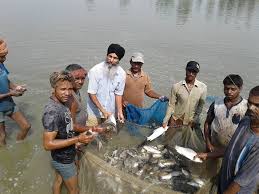
The Government of India is intensifying efforts to promote indigenous fish species as part of its ongoing Blue Revolution initiatives, aiming to strengthen sustainable aquaculture, boost food security, and support local livelihoods across the country’s diverse aquatic ecosystems.
On 2 January 2026, the Ministry of Fisheries, Animal Husbandry & Dairying highlighted that India’s rivers, inland water bodies and coastal waters are home to more than 2,800 indigenous fish and shellfish species. These include freshwater, brackishwater and marine varieties, each playing a crucial role in ecological balance and cultural heritage.
Despite this biodiversity, aquaculture production in India has remained concentrated around a few species such as Indian major carps (rohu, catla and mrigal) and the giant freshwater prawn, which together constitute a significant portion of national freshwater fish output. In brackish water systems, production is largely dominated by the exotic whiteleg shrimp (Penaeus vannamei), while mariculture is still emerging as a sector.
To diversify aquaculture and reduce reliance on a limited number of species, the Government has identified several priority indigenous species with strong economic and regional relevance. These include fringed-lipped carp, olive barb, Pengba, striped murrel, Pabda, Singhi, Asian seabass, pearlspot, pompano, mud crab and Indian prawn—all of which have existing breeding and farming technologies available.
Under flagship programmes such as the Pradhan Mantri Matsya Sampada Yojana (PMMSY) and other supportive schemes like the Pradhan Mantri Matsya Kisan Samridhi Sah-Yojana (PMMKSSY) and the Fisheries and Aquaculture Infrastructure Development Fund (FIDF), the Government plans to enhance seed production, extend technical training, and improve infrastructure to scale up production and market access for these indigenous species.
Experts say this strategic shift could not only improve nutrition and rural incomes but also preserve India’s rich aquatic heritage in the long term.
Source : Fnbnews