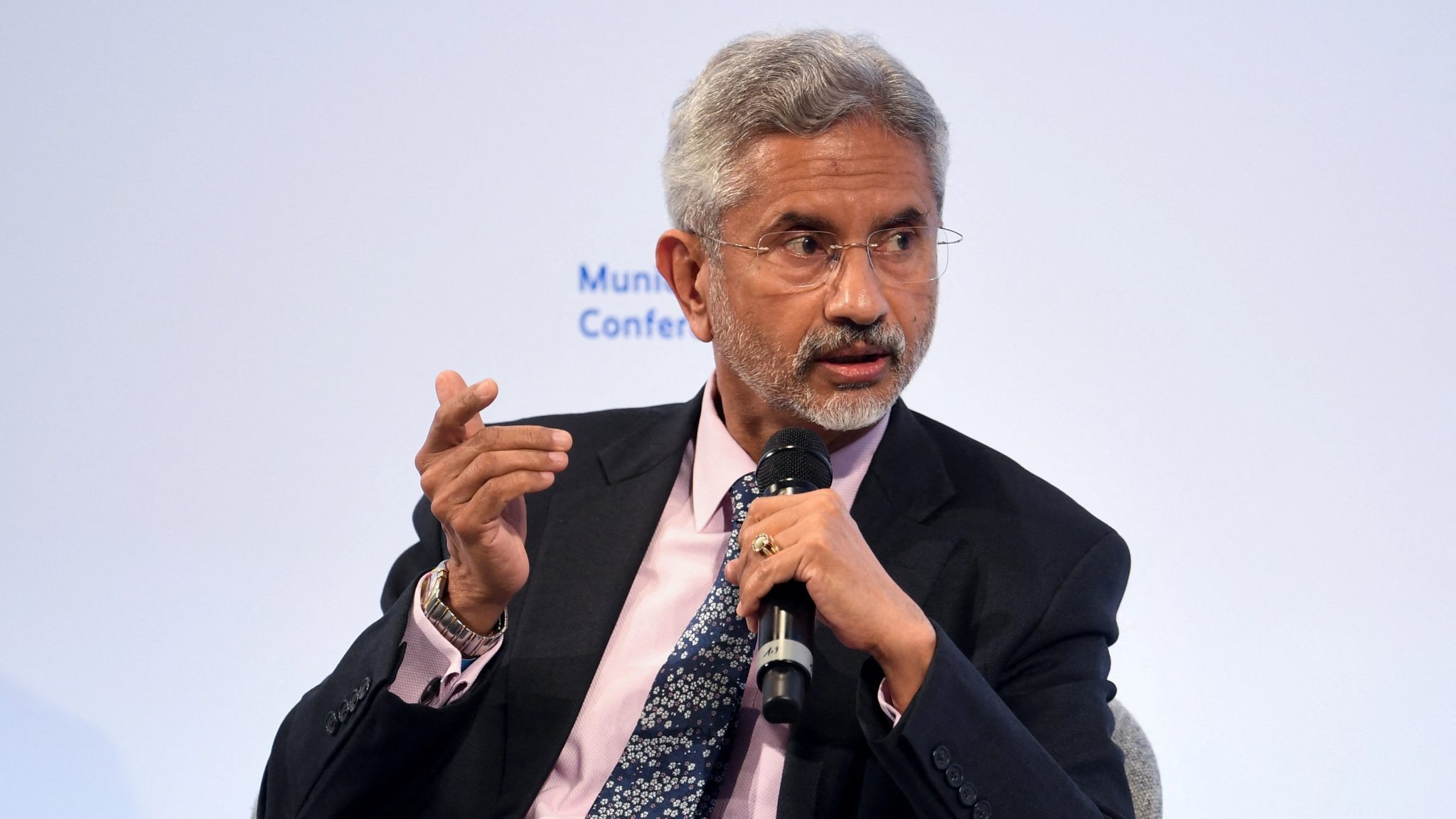
When the world was gripped by uncertainty during the COVID-19 pandemic, vaccines became more than a medical solution. They turned into a measure of global solidarity. External Affairs Minister S Jaishankar, reflecting on that period at an event at IIT Madras, recalled how India’s decision to share vaccines left a lasting emotional imprint across the world.
“In my entire career, I have never seen anything having a greater emotional impact,” Jaishankar said, describing moments when leaders and officials in smaller nations became emotional recalling the arrival of their first vaccine shipments. At a time when several developed countries had stockpiled doses far exceeding their populations, many vulnerable nations were left waiting, often with little hope of access.
India, despite facing the responsibility of vaccinating 1.4 billion people, chose a different path. “Giving 100,000 or 200,000 doses to those countries was make or break for them,” Jaishankar noted, framing the decision as both a humanitarian gesture and a strategic one.
The minister also highlighted the often-overlooked logistics behind the effort. During the crisis, he said, his role extended beyond diplomacy into overseeing supply chains that connected global inputs with domestic manufacturing. India’s position as one of the world’s most efficient vaccine producers was critical, but so was international cooperation. “The supply chain came from outside India. The world also helped us,” he acknowledged.
Years later, the impact of those choices continues to shape India’s global relationships. From Latin America to the Pacific Islands, Jaishankar said, leaders still recall how India’s vaccines reached them when options were scarce. The lesson, he argued, is not to view global engagement as a choice between domestic needs and international responsibility.
“Don’t think of it as home and abroad,” he said. “What we did for the world also came back to us.”
Today, as global supply chains grow more fragmented and geopolitics increasingly transactional, India’s vaccine diplomacy offers a lasting lesson. In moments of crisis, logistics and manufacturing can become instruments of trust. In a world searching for dependable partners, that trust is translating into enduring influence.
Source : Logisticsinsider