For years, doctors around the world have been locked in a race against a terrifying enemy — bacteria that have learnt how to outsmart medicines.
These so-called superbugs, resistant to multiple antibiotics, have turned once-treatable infections into life-threatening conditions.
Patients have spent weeks in intensive care, some running out of treatment options altogether.
Now, a drug developed in India offers fresh hope.
US regulators have approved Zaynich, a novel antibiotic developed by Mumbai-based pharmaceutical company Wockhardt, making it the first new chemical entity fully discovered and developed by an Indian drugmaker to receive approval from the US Food and Drug Administration (FDA).
WHEN ANTIBIOTICS STOP WORKING
Antimicrobial resistance (AMR) has quietly become one of the world’s biggest health threats.
Bacteria evolve over time, and excessive or inappropriate use of antibiotics has accelerated the process. Many strains now resist several commonly used drugs, making infections increasingly difficult to cure.
According to data cited by Wockhardt, more than 2.8 million antibiotic-resistant infections occur every year in the United States, causing over 35,000 deaths.
Globally, the burden is even larger. Drug-resistant infections have complicated the treatment of pneumonia, urinary tract infections, bloodstream infections and hospital-acquired infections.
Such patients require prolonged hospital stays, more expensive medicines and intensive care, with some infections proving fatal.
THE RISE OF THE ‘NIGHTMARE BACTERIA’
Among the biggest concerns are Gram-negative bacteria such as Escherichia coli, Klebsiella pneumoniae and Pseudomonas aeruginosa.
These organisms have developed multiple defence mechanisms against antibiotics and are referred to as “nightmare bacteria” because treatment options are limited.
Such infections are particularly dangerous for people who are critically ill, have weakened immunity, or are recovering after surgery.
Complicated urinary tract infections, for example, account for more than 6,00,000 hospitalisations annually in the US. In India, its over 100 million cases annually. Many of these cases are increasingly linked to drug-resistant bacteria.
WHY SCIENTISTS HAVE STRUGGLED TO BEAT SUPERBUGS
Developing antibiotics is not easy.
Unlike medicines for chronic diseases that patients take for years, antibiotics are used for short periods. This makes drug development financially challenging, and very few truly new antibiotics have reached the market in recent decades.
At the same time, bacteria continue to evolve.
As resistance grows, doctors have found themselves relying on older drugs or combinations that are gradually losing effectiveness.
“The threat of drug-resistant infections is an escalating crisis, leaving clinicians with fewer tools to treat patients facing these aggressive pathogens,” said Dr. Dennis Deruelle, chief medical officer at Wockhardt.
WHAT MAKES ZAYNICH DIFFERENT?
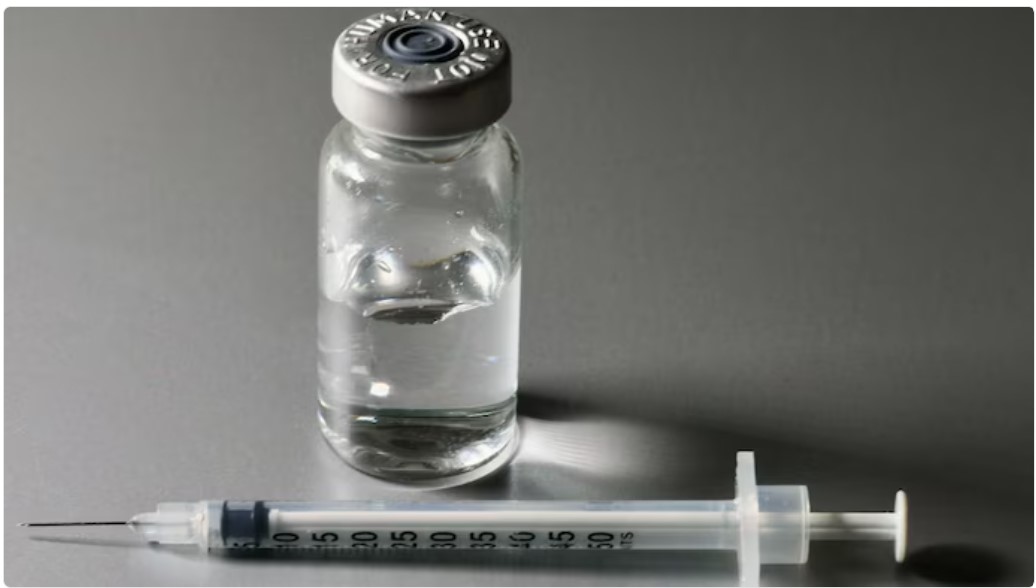
Zaynich is a next-generation injectable antibiotic that combines cefepime, a decades-old fourth-generation antibiotic, with zidebactam, a newly discovered molecule developed by Wockhardt.
Unlike many existing antibiotics, it binds to several penicillin-binding proteins, helping kill some of the most difficult-to-treat Gram-negative bacteria.
Researchers say this multi-target approach gives the drug an advantage against bacteria that have developed resistance mechanisms which render many antibiotics ineffective.
The FDA approval covers adults with complicated urinary tract infections, including kidney infections, caused by susceptible bacteria.
The drug in the US costs $10,000 to $12,000 per treatment course. But the cost in India is still unannounced.
HOW WELL DID THE DRUG PERFORM?
The approval was based partly on results from the Phase 3 ENHANCE-1 clinical trial involving 530 patients across 64 centres in the US, Europe, Latin America, China and India.
Researchers compared Zaynich with meropenem, one of the most widely used antibiotics for severe infections.
The study found that 89% of patients treated with Zaynich achieved clinical cure and microbiological response, compared with 68.4% in those receiving meropenem.
The drug was also generally well tolerated.
The approval is significant not just because of the drug itself, but because it represents a rare breakthrough in antibiotic innovation.
“This approval is a significant realisation of our mission to provide patients with novel antibiotics that help address one of the most urgent global health threats,” said Dr. Habil Khorakiwala, founder and chairman of Wockhardt Group.
The drug had earlier received approval from India’s drug regulator in May and has also been submitted for review in Europe.
THE BATTLE IS FAR FROM OVER
Scientists caution that no antibiotic is a permanent solution.
If new drugs are overused or prescribed unnecessarily, bacteria can eventually develop resistance to them as well.
That is why experts stress the need for antibiotic stewardship, using these medicines only when truly necessary and ensuring patients complete the prescribed course.
Source : Indiatoday