Gubba Group
Hyderabad:With global weather shifts threatening crop yields, ICAR’S Indian Rice Research Institute has developed a series of high-yielding, climate-smart, and bio-fortified rice varieties, including DRR

Hyderabad:With global weather shifts threatening crop yields, ICAR’S Indian Rice Research Institute has developed a series of high-yielding, climate-smart, and bio-fortified rice varieties, including DRR
A Chennai-based company’s initiative to grow popcorn maize domestically has helped to bring down im-ports from 70 per cent a dec-ade ago of India’s demand
The United States is one of only a handful of countries that allows companies to hold patents on plant varieties. As a result, a small
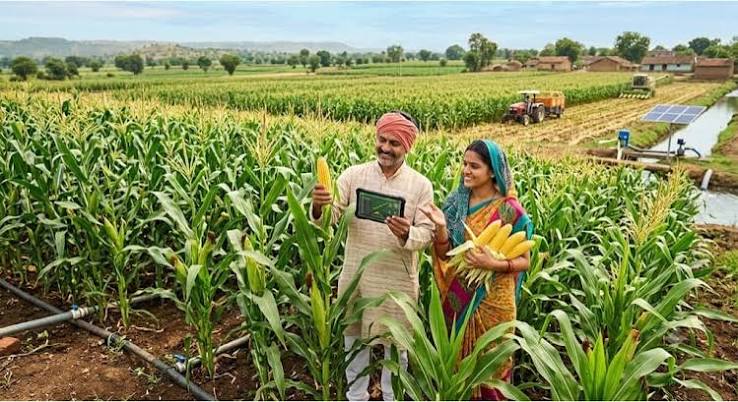
Maize is emerging as a potential next step in India’s “green revolution,” with output expanding faster than traditional staples. Over the past decade, production has

India’s private seed companies are holding 20-30 per cent surplus stock for the kharif season, but ensuring timely distribution to rain-deficient regions remains the biggest
Cotton acreage in North India has shrunk by about 22 per cent this kharif season as a section of farmers are seen preferring to plant
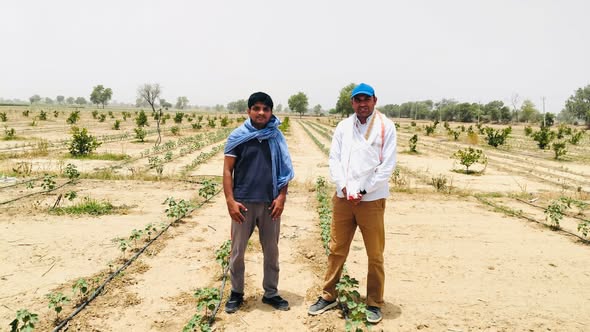
As the threat of El Niño-induced weather variability looms over Indian agriculture, progressive cotton farmers in Haryana’s Sirsa district are turning to innovation to secure
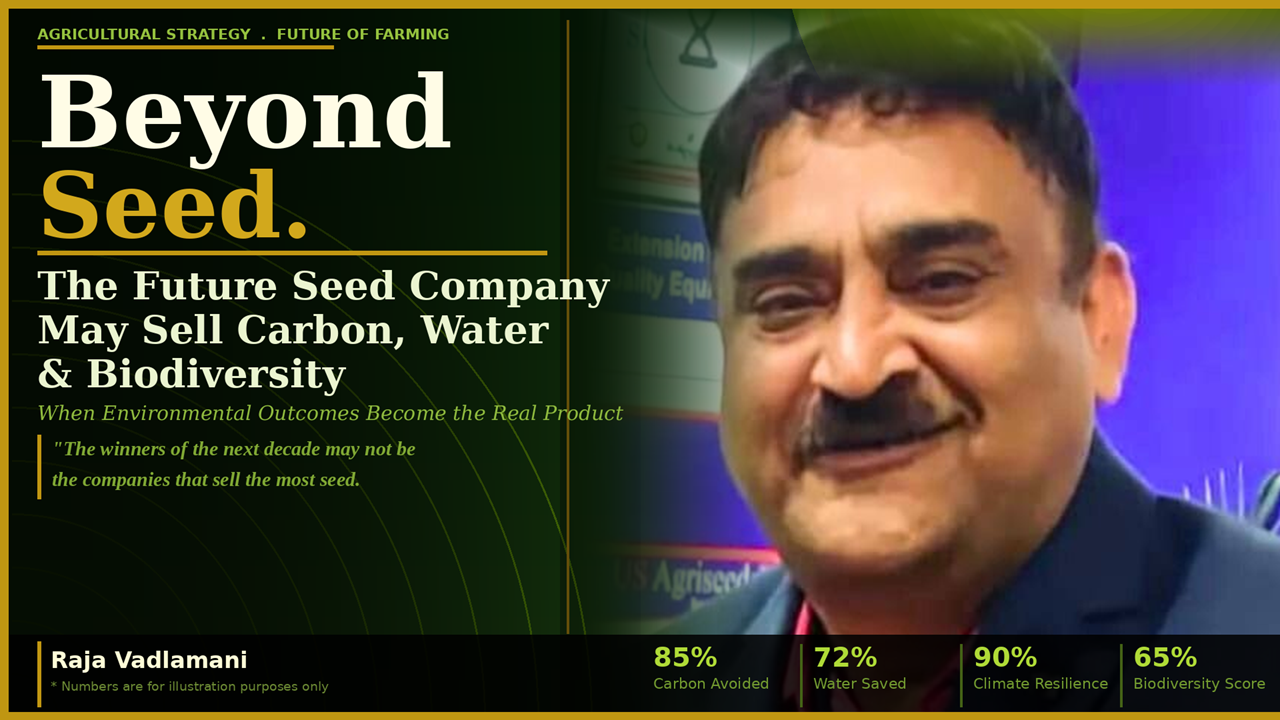
Ask any seed company executive what they sell, and the answer comes quickly: quality seed. More bags. Better market share. It is a model that
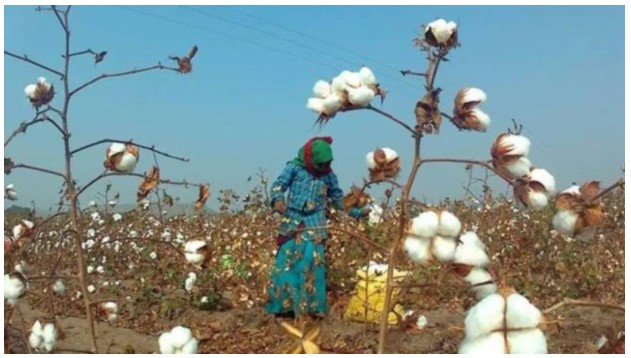
In April 2026, the Union Cabinet approved the Mission for Cotton Productivity with an outlay of Rs 5,659 crore, to run from 2026-27 to 2030-31.
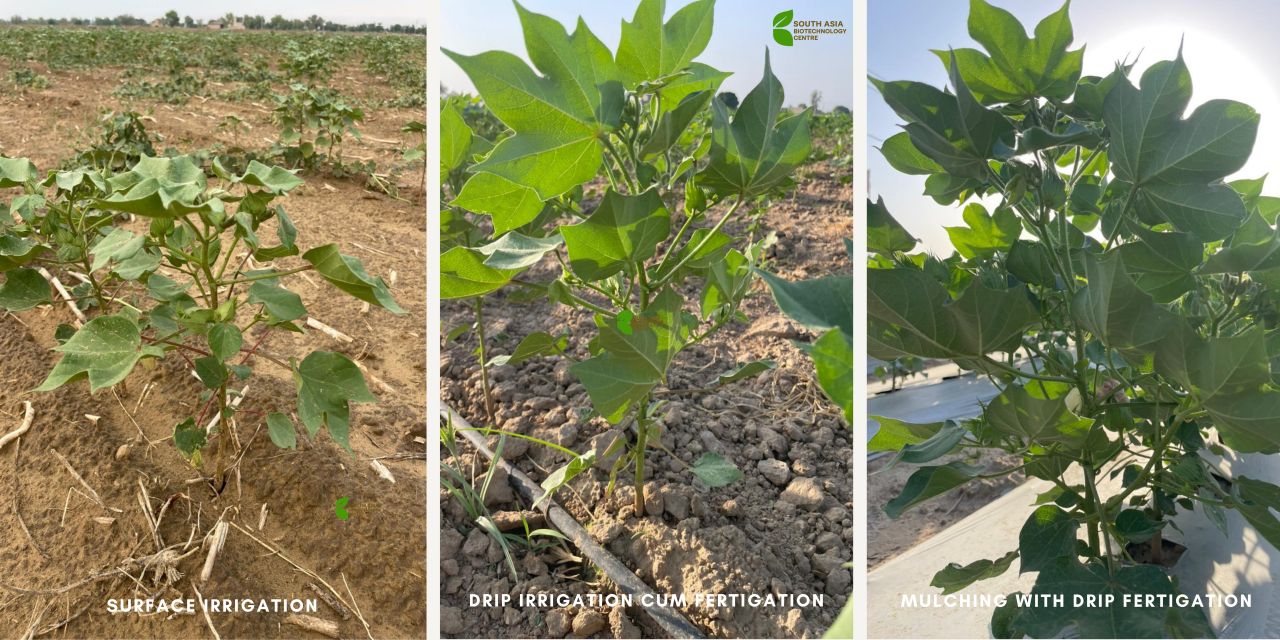
The story of ‘disappearing’ cotton in North India is reaching a critical turning point!Once known as the “White Gold” of Punjab and Haryana, cotton is