In an era when prices of everyday products seem to move in only one direction, imagine a beverage that has been sold at the same price for more than three decades.
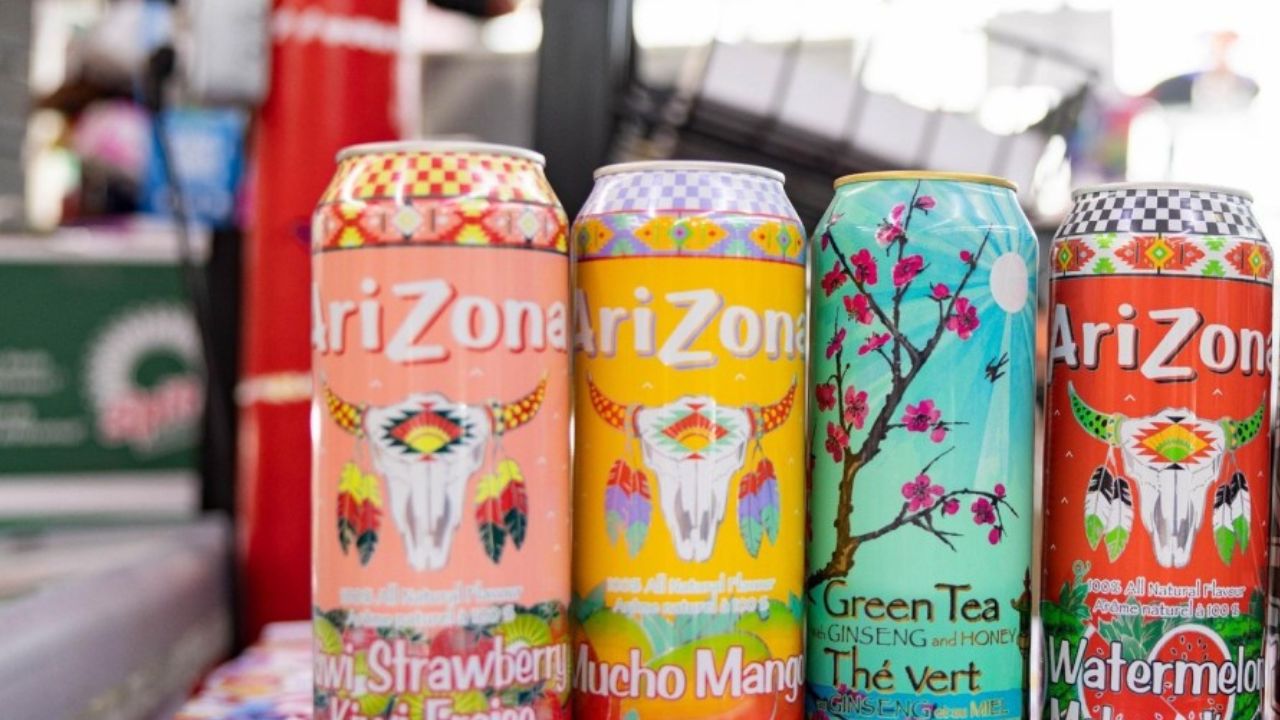
That is the story of Arizona Iced Tea, a US beverage company whose iconic large cans have carried a 99-cent price tag since the brand launched in 1992. In 1996, Arizona began printing the 99-cent price directly on its cans, turning a selling price into something much closer to a consumer promise.
For Indian consumers who may not be familiar with the brand, Arizona is one of the US’ best-known ready-to-drink beverage companies, particularly recognised for its large-format iced teas. Its 99-cent can has become an integral part of its identity.
But the more interesting question is not why Arizona wants to keep the price at 99 cents. It is how its business and operating model has allowed it to defend that price for 34 years.
The answer lies partly in supply chain.
Arizona has had to find efficiencies across procurement, packaging, manufacturing and distribution rather than simply passing every increase in input costs on to consumers. At one point, the company said aluminium prices had doubled in just 18 months, while other input and transportation costs were also rising. Yet the 99-cent price remained.
Scale is central to that equation. Arizona has sold roughly a billion 99-cent cans annually. At that volume, even seemingly insignificant savings become meaningful. A one-cent reduction in the cost of producing and delivering a can, multiplied across a billion cans, represents $10 million in annual savings.
Packaging has therefore become an important source of efficiency. Arizona has said improvements in can technology have allowed it to use around 40% less aluminium per can than earlier versions. More recently, the company also reduced the size of its iconic can from 23 ounces to 22 ounces, another example of how seemingly small changes in product design can protect unit economics.
Manufacturing has evolved as well. Arizona opened its large New Jersey production facility in 2019, with the plant designed for high-volume production. The company has continued to look for ways to make products faster and move them closer to markets. Its logistics strategy has included making deliveries at night, when roads are less congested, reducing both transit time and fuel consumption.
Procurement matters too. AriZona moved from having a single source for its large cans to using multiple suppliers competing on price. That creates greater purchasing flexibility and puts pressure on packaging costs, an important consideration when aluminium is one of the major inputs.
There is another piece to the model: Arizona has historically avoided the kind of heavy traditional advertising expenditure associated with many large beverage brands. Its distinctive packaging and price do much of the marketing work themselves, leaving more room to absorb cost pressures elsewhere.
None of this means supply chain alone explains the 99-cent price. Founder Don Vultaggio has repeatedly said that he is willing to accept lower margins rather than immediately pass higher costs to consumers. The company’s private ownership has also given it greater freedom to make that choice.
But that philosophy would be difficult to sustain without the operating discipline underneath it.
AriZona’s story offers a useful lesson for supply-chain leaders: sometimes the supply chain is not merely designed to support a price. It is designed around the price.
For 34 years, the 99-cent promise has effectively forced Arizona to keep asking the same question: where can another cent be saved, another process improved, another shipment made more efficiently or another input redesigned?
Source: Logisticsinsider