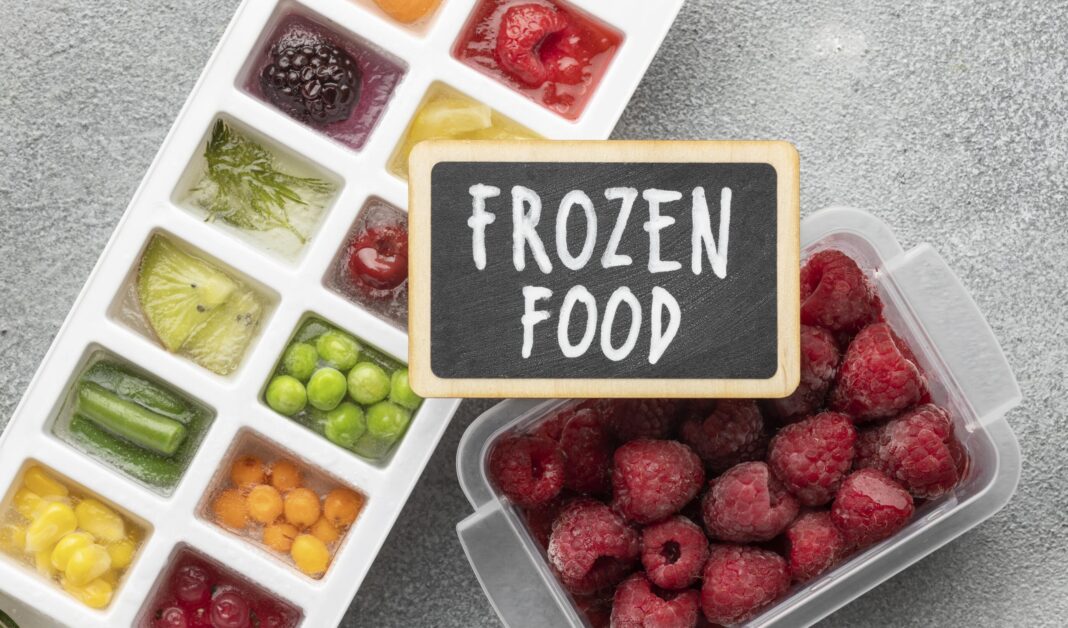
When we talk about frozen food in India today, we are not talking about the category we knew a decade ago. The market has moved. Consumers have moved. And the freezer has quietly become part of weekly meal planning in many homes. Families are not reaching for frozen packs only because they are short on time. They are doing it because they want predictable quality and cleaner choices. That is the shift we are walking into as 2026 approaches.
And from what we are seeing on the ground, five consumer changes stand out.
Convenience Is Not About Speed Anymore
Convenience used to mean “I have no time, let me grab something from the freezer.” That definition is outdated. Today, frozen food is part of planned cooking. Busy households buy frozen staples to make sure they can cook on most days. Young professionals buy them to stretch budgets. Students pick them up because they spoil less.
And because the role of convenience has changed, the formats are changing too. Smaller packs. Single-serve mixes. Meal kits that help people cook without wastage. Region-inspired mixes for specific cuisines.
Frozen food is no longer a backup plan. It is becoming part of how Indian kitchens function.
What This Means for Brands in 2026
The market is moving towards more questions and fewer assumptions. People want to know how the produce was grown, how quickly it was frozen, and what exactly went inside the pack. With better logistics and more reliable freezing systems, the line between fresh and frozen will continue to blur.
So what does this demand from brands?
Clear communication. Cleaner products. Stronger sourcing discipline. And yes, solid tech in the backend so the quality is stable every single time.
Frozen food is becoming tied to farm earnings, everyday cooking patterns, and India’s broader push for better nutrition. The companies that recognise these shifts now, not next year, will set the pace for the industry.
Source : Businessoffood