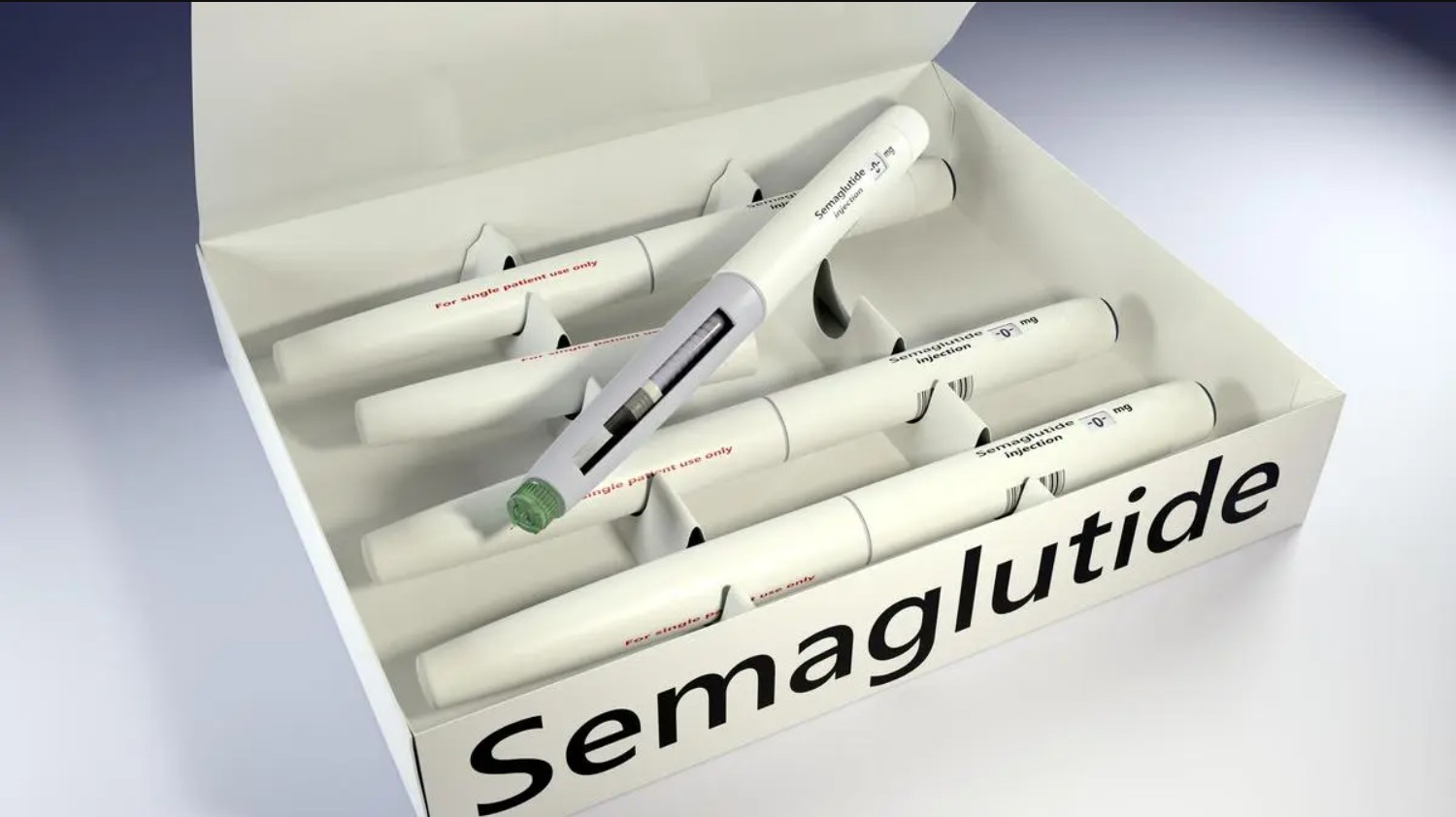
With the patent protection for Novo Nordisk’s best-selling medicine semaglutide expiring in India, at least eight Indian companies on Saturday launched cheaper, generic versions of the drug that received widespread popularity across the world not only for controlling diabetes but also as an anti-obesity medicine.
The Indian pharmaceutical companies that announced launching the medicine include Torrent, Alkem, Sun Pharma, Dr Reddy’s Laboratories, Genmark, Natco Pharma, Zydus and USV. A few other firms are also likely to launch similar products.
Semaglutide belongs to a class of medicine known as GLP-1 receptor agonist that help the body release insulin smarter, slow digestion, and reduce appetite. Worldwide several pharmaceutical majors have developed these drugs for diabetes and obesity management.
Denmark headquarters Novo Nordisk has two such products Ozempic for diabetes and Wegovy for obesity control. On Friday, its patent protection in India on these two medicines expired, paving the way for Indian companies to launch the generic versions.
In a statement Alkem Laboratories, Mumbai said the company launched its semaglutide pre-filled disposable injection pen at a price starting Rs 450 per week or Rs 1,800 for a month’s dosage.
The company received approval from the Drug Controller General of India for manufacturing and marketing semaglutide for type 2 diabetes mellitus and chronic weight management as an adjunct to diet and exercise, subsequent to a review of its Phase 3 clinical trials conducted in India.
All the Indian generics are substantially cheaper – the prices vary between Rs 1,300 and Rs 4,500 per month – than the original ones that cost anywhere between Rs 8,800-Rs 11,175 for the anti-diabetic formulation and between 10,850 to 16,400 for the obesity medicine.
Most of the companies launched their semaglutide brands in India in oral and injectable formulations. They also made it clear that the medicine is a prescription product and should be taken under appropriate medical supervision.
In December 2025, the World Health Organization released its first guideline on the use of GLP-1 therapies for treating obesity as a chronic, relapsing disease in order to address the growing global health challenge of obesity, which affects more than one billion people.
Obesity affects people in every country and was associated with 3.7 million deaths worldwide in 2024, the WHO says, noting that without decisive action, the number of people with obesity is projected to double by 2030. India has about 180 million adults with overweight or obesity, which is among the world’s highest.
Last year, the World Health Organisation recommended inclusion of semaglutide and other drugs belonging to the same category in the list of essential medicines.
The WHO said that the medicine could help people with type 2 diabetes – especially those who also have heart or kidney disease – by improving blood sugar control, reducing the risk of heart and kidney complications, supporting weight loss, and even lowering the risk of early death.
Source: Deccanherald