The eagerly anticipated semaglutide patent cliff in India has unleashed a strikingly varied pricing landscape. The intensity of the price decline is driven by the drug’s dosage forms vials and prefilled pens resulting in wide variations of 50 to 90 per cent across different brands.
New Delhi: The transformative blockbuster therapy which later recognised as an essential drug to treat Type-2 diabetes and obesity, has entered one of its steepest price erosion cycles and the contours of competition is shaped by the interplay of its various dosage forms and strengths.
Around nine drugmakers launched 15 brands of semaglutide on the very first day of the drug’s patent expiry in India.
However, unlike previous instances of more uniform pricing, the intensity of price erosion among semaglutide generic brands is defined with the drug’s varying dosage forms, resulting in wide variations of 50 to 90 per cent compared to the innovator’s price across different brands and companies.
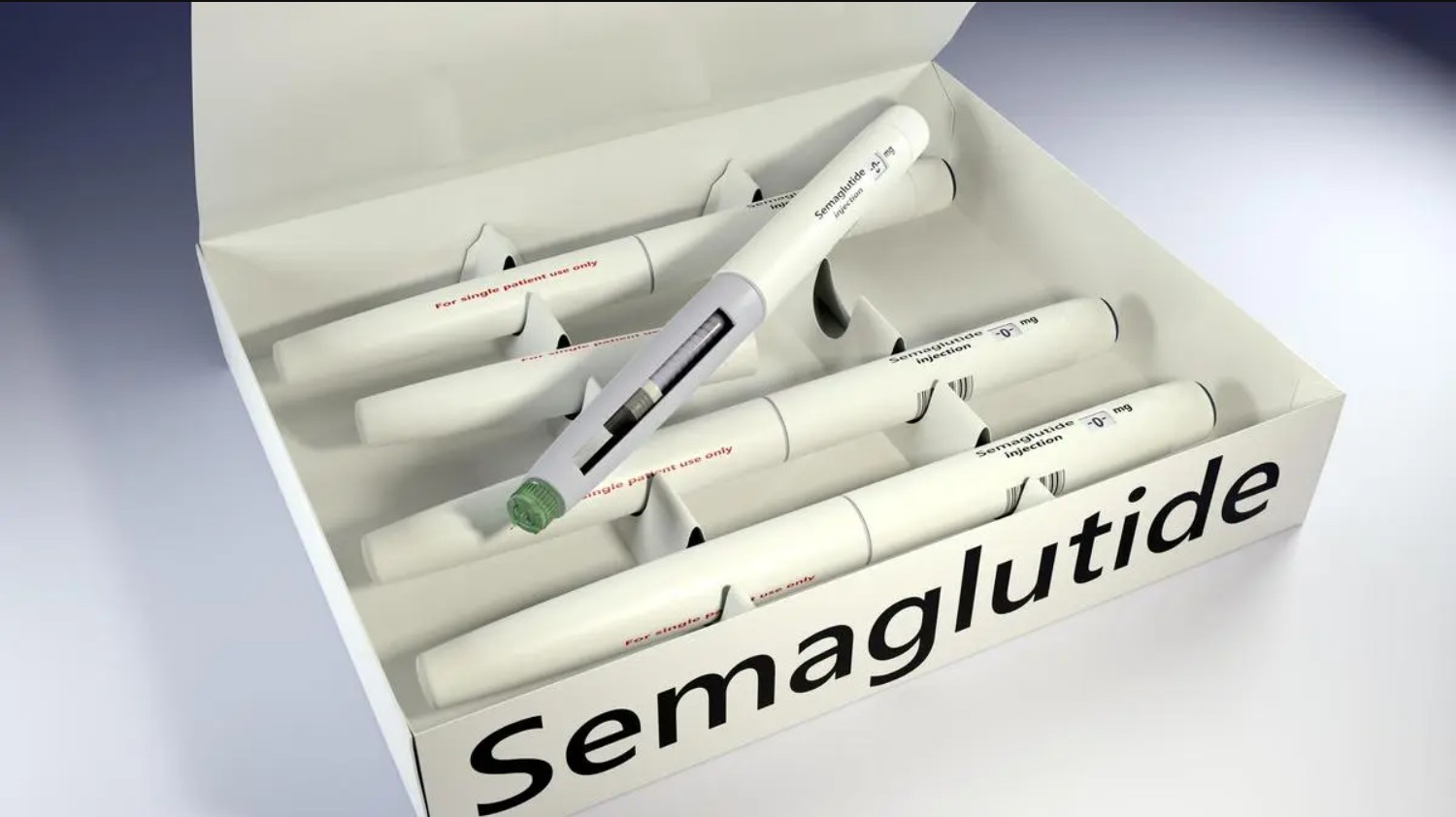
The once-weekly drug requires an injectable device for delivery, while vials follow the traditional subcutaneous route; innovators introduced pens devices to offer greater convenience and ease injection fear.
While pens, offering a once-monthly dosing schedule, have emerged as the standard strategy, vials provide a more flexible route to onboard patients in newer or price-sensitive markets at a lower cost.
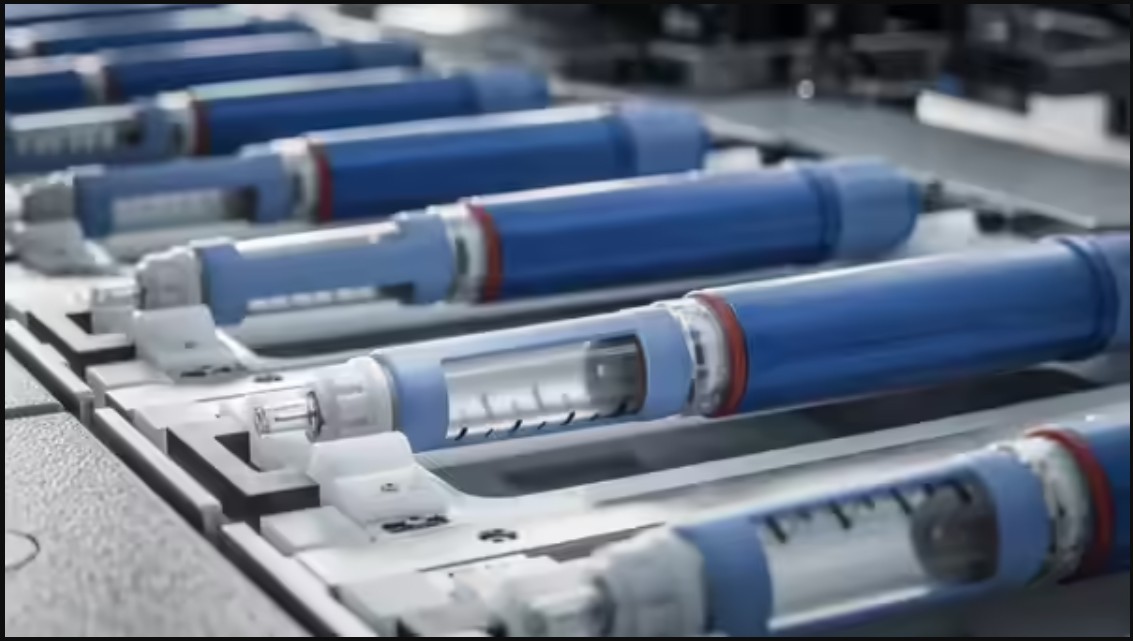
Furthermore, pens designed to deliver GLP-1 drugs, including semaglutide, not only elevate the end price but also require sophisticated manufacturing infrastructure.
Hyderabad-based Dr Reddy’s Laboratories which emerged as one of the frontrunners in securing the required regulatory nod launched two strengths 2 mg and 4 mg for the treatment of Type-2 diabetes, at Rs 4,200.
The company opted a disposable single use pen format that can deliver adjustable doses up to the highest available strength i.e. 2 mg and 4 mg.
One of its local partner USV debuted its brand at a slightly higher starting price of Rs 4,300 for the same strenghts.
Responding to an ETPharma query during a post-launch briefing, M.V. Ramana, CEO, Branded Markets (India & Emerging Markets), Dr Reddy’s Laboratories, said, “The company is focusing on patient convenience and plans to further enhance its existing device to make it easier for patients to use.”
In contrast, NATCO Pharma and its partner Eris Life Sciences entered the market with multi-dose vials at 90 per cent discounted priced: Rs 1,290 per month, followed by Glenmark, which also introduced a weekly vial starting at Rs 325 (around Rs 1300 for month).
Both companies plan to introduce pens at higher price points later, at nearly 60 per cent lower than the innovator brand.
India’s largest drugmaker, Sun Pharma launched its previously guided pen-based formulation, in the price range of Rs 3,490 and Rs 7,400 for weight-loss and between Rs 2,960 and Rs 4,790 for Type-2 diabetes.
Developed by a global pharmaceutical device suppliers, Sun Pharma stated its devoice to ease injection fear with concealed needle and improve both handling safety and dosing accuracy.
Ahmedabad-based Zydus Lifesciences, which attempted to differentiate itself with a reusable pen, rolled out three brand at an average monthly cost of Rs 2,200.
The reusable pen strategy has gained significant traction among weight-loss drugmakers. In India, Zydus has out-licensed semi-exclusive rights to domestic peers Lupin and Torrent
Notably, the 15 mg dosage -the highest approved globally- unlocks the entire patient poll on semaglutide and provides flexibily in exploring other markets as well.
Following similar lines with a spin, Alkem Laboratories also launched three brands at Rs 1,800 for the initial dose using a disposable pen, reserving higher doses for a reusable pen at an undisclosed price.
For patients in India, the eagerly anticipated semaglutide patent cliff has has triggered a divergent pricing landscape with some brands priced at nearly one-tenth of the innovator’s cost, while others remain closer to the expected one-third range, against the innovator’s Rs 8,800-Rs 16,400 pricing.
The domestic market which underwent an unprecedented value growth following of entry of global brands, particularly Eli Lilly’s Mounajro (tirzepatide),
Unlike typical post-patent scenarios characterized as a race to bottom, price war among semaglutide is signaling a moderate trajectory, with initial brands focused on carefully tailored, strategic approaches over steep discounts.
The Rs 440-crore semaglutide market in India is on the cusp of a dramatic surge, with projections suggesting it size touch as high as Rs 1,000-2,000 crore in the coming financial year. Volumes are expected to spike sharply as a wave of generics enters the fray, unlocking access to patient segments that were previously out of reach due to pricing barriers.
While sources suggest over 50 brands to flood the market in the first wave, clinicians expect only a handful of brands to survive the close contest, of navigating semaglutide’s efficacy, complexity of cold-chain logistics, and the challenge of building recall value among prescribers.
List of generic semaglutide brands launched on day one of patent cliff in India.
Source : Economictimes