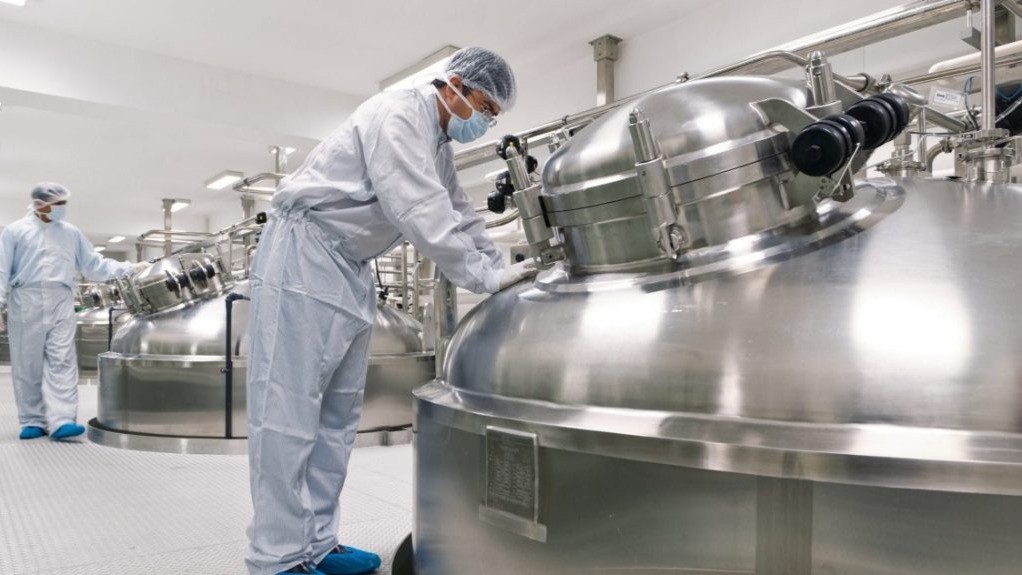
Industry associations have urged the government to make effective use of the substantial unutilised capacity available with domestic Active Pharmaceutical Ingredient (API) manufacturers. This, according to them, would not only save significant public and private investment from unnecessary duplication but also provide a critical lifeline to struggling manufacturing units burdened by idle assets.
The appeal comes amid ongoing efforts to strengthen India’s pharmaceutical supply chain and enhance self-reliance in bulk drugs. According to industry experts, the country already possesses considerable API manufacturing infrastructure that remains underutilised despite being fully operational and equipped with the necessary regulatory clearances.
Over the past three decades, active support and encouragement from states such as Andhra Pradesh, Telangana, Gujarat and Maharashtra, coupled with relatively easy access to funding from banks and State Financial Corporations, led to the establishment of a large number of API manufacturing units across the country. Many experienced executives from major pharmaceutical companies, after moving on from their organisations, also ventured into entrepreneurship and set up their own manufacturing facilities.
However, in numerous cases, production capacities created for selected products far exceeded actual market demand. As a result, a significant portion of the country’s brownfield API manufacturing infrastructure today remains underutilised. Industry experts point out that this phenomenon is particularly prevalent in the synthetic organic chemicals segment and is far less relevant to the fermentation-based industry.
Associations representing API manufacturers believe that the existing infrastructure offers a ready solution for expanding production of new products without the need for large-scale greenfield investments. They note that brownfield facilities already possess operational plants, utilities, trained manpower and local regulatory approvals, making them ideally suited for rapid deployment.
Experts estimate that utilising existing facilities could reduce project implementation timelines by as much as two to three years. Since the infrastructure is already in place and manufacturing operations are ongoing, production of new APIs can often commence within a matter of months with only minimal modifications or additions to existing facilities.
The process, they explain, would largely involve incorporating the names of new products into the manufacturing licence and completing the necessary regulatory requirements, including validation studies and registrations with the relevant authorities. Compared with establishing entirely new facilities, this approach would significantly accelerate capacity creation while minimising capital expenditure.
Industry stakeholders argue that such a strategy would create a win-win situation for both the government and manufacturers. On one hand, substantial funds that might otherwise be spent on creating duplicate infrastructure could be conserved and redirected towards other strategic priorities. On the other hand, existing units grappling with financial stress due to prolonged underutilisation of assets would gain new business opportunities and improved viability.
Associations maintain that harnessing the country’s idle API manufacturing capacity can play a crucial role in strengthening domestic pharmaceutical production while ensuring more efficient use of investments already made over the years.
Experts suggest that a policy framework encouraging utilisation of existing brownfield facilities could simultaneously enhance national manufacturing capability, accelerate project execution and provide much-needed support to units struggling to remain afloat under the burden of idle capacities.
Source : Pharmabiz